August 10
Witnessing the Dusk Migration: The Giant Flying Foxes of the Myeik Archipelago
Experience the magical dusk migration of thousands of giant flying foxes in the Myeik Archipelago, viewed from Wa Ale’s luxury boat.

As the golden heat of the afternoon softens over the Andaman Sea, the wild islands of the Myeik Archipelago prepare for one of Asia's most extraordinary natural spectacles. Anchored in a quiet mangrove channel near Wa Ale Resort, guests step onto the deck of our luxury excursion boat with a chilled glass in hand, waiting for dusk.
Then, as the first stars appear, the canopy stirs.
Thousands of giant flying foxes, one of the largest bat species on Earth, take flight simultaneously, rising above the jungle foliage into the lavender sky. Moving in sweeping, rhythmic ribbons across the evening horizon, this sunset exodus is a rare, humbling glimpse into a world untouched by mass tourism.
A Sanctuary Within Lampi Marine National Park
Wa Ale is the only luxury resort located within the 250-square-kilometer Lampi Marine National Park. Because this marine sanctuary has remained protected for decades, its ancient roosting sites and primary rainforests harbor species that have vanished elsewhere in Southeast Asia.
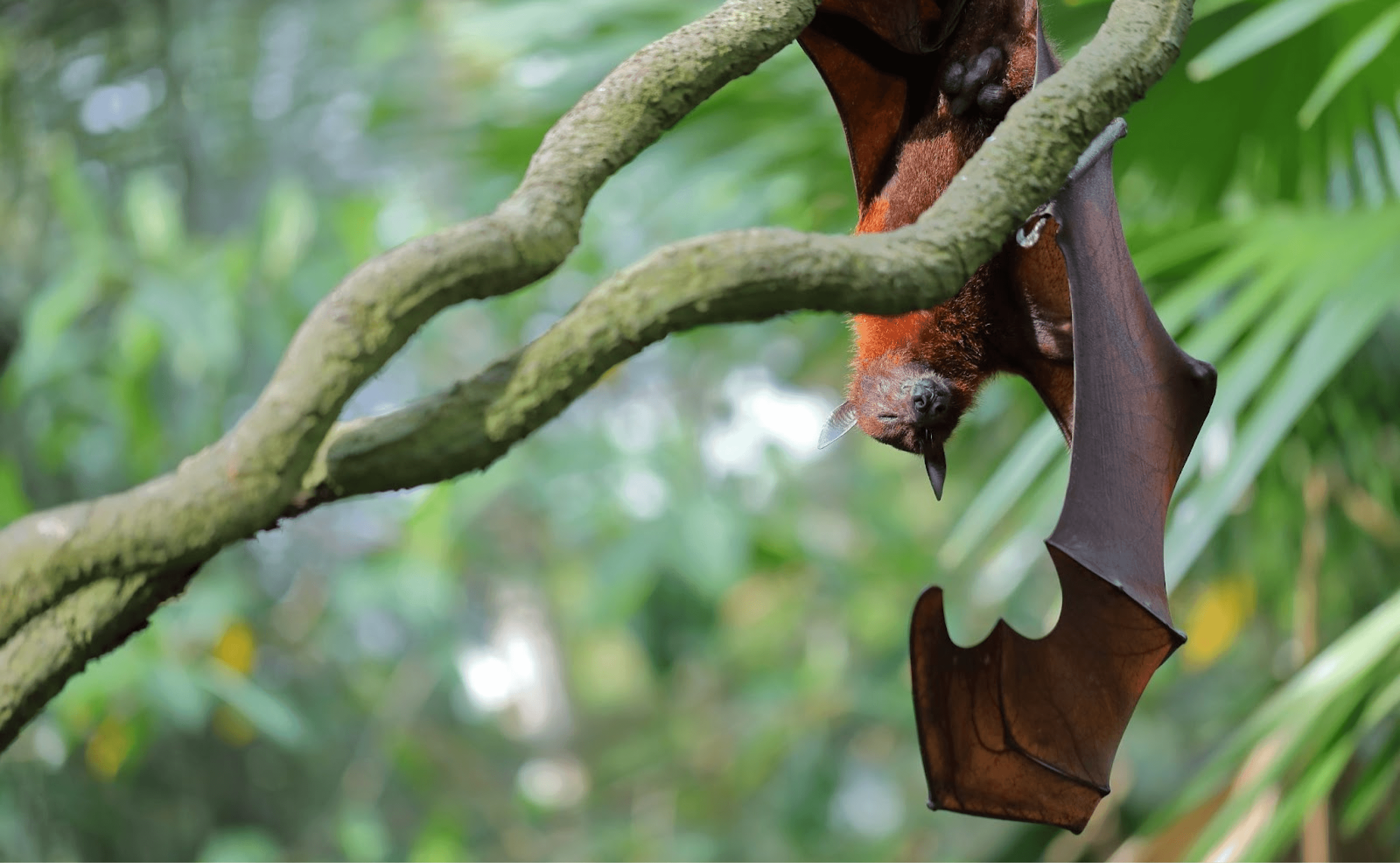
The giant flying fox (Pteropus giganteus) plays a vital ecological role as the primary seed disperser and pollinator for the archipelago's ancient hardwood trees and wild fruit canopies. With wingspans stretching up to 1.5 meters (nearly five feet), watching thousands of these gentle creatures glide silently overhead is an unforgettable experience.
What to Expect on the Excursion
Organized by Wa Ale’s expert local adventure guides, the Flying Fox Evening Excursion is designed for effortless comfort and deep immersion:
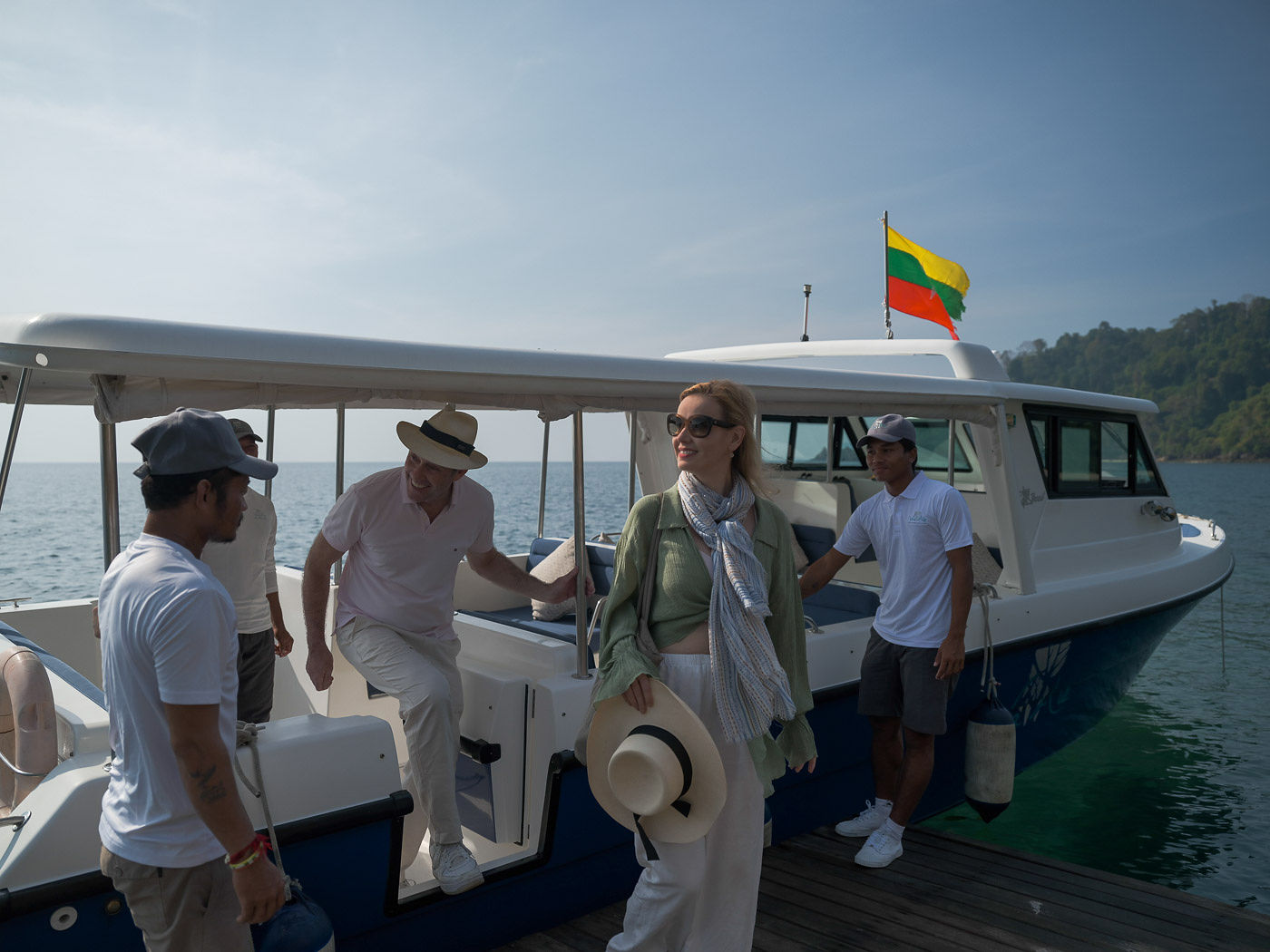
16:30 – Departure: Set sail from Wa Ale's main jetty aboard our custom luxury motor yacht or private wooden launch.
17:15 – Mangrove Navigation: Cruise gently through calm, emerald mangrove channels surrounded by sea eagle nests and coastal wildlife.
17:45 – Anchor & Aperitifs: Position the vessel in the prime observation zone. Enjoy artisanal cocktails, fine wine, and fresh island canapés crafted by Chef Don's team.
18:15 – The Flight: Watch thousands of flying foxes emerge from their roosts, filling the twilight sky in a mesmerizing, silent migration.
19:00 – Starlight Return: Return to Wa Ale under a sea of stars, arriving just in time for a multi-course dinner at the Main Lodge or River Café.
Conservation & Responsible Observation
At Wa Ale, conservation is woven into every guest experience. Our adventure team operates all wildlife excursions under strict eco-protocols:
Vessels maintain a quiet, non-intrusive distance to ensure roosting colonies are never disturbed.
Zero single-use plastics are permitted onboard.
A portion of every stay directly supports the Lampi Foundation, protecting local wildlife habitats and sea turtle conservation initiatives.
Ranked #3 in the 2024 Condé Nast Traveller UK Readers' Choice Awards (Resorts – Rest of Asia), Wa Ale offers barefoot luxury rooted in authentic conservation.
Plan Your Private Island Escape
The flying fox excursion is available throughout our operating season from November through April, when calm seas and clear skies provide ideal viewing conditions.
Whether you are seeking an intimate romantic moment or a memorable family expedition, our team coordinates every detail from your arrival in Kawthaung or Phuket.
What Are Giant Flying Foxes?
Giant flying foxes (Pteropus vampyrus) are among the largest bats on earth. They are fruit bats, not insect hunters — navigating by sight and smell rather than echolocation. Their role in the ecosystem is critical: they pollinate trees and disperse seeds across vast distances, making them essential to the health of Southeast Asia's rainforests.
The Myeik Archipelago supports a significant population of flying foxes, in part because the islands remain largely uninhabited and undisturbed. At Wa Ale, the surrounding jungle and neighbouring islands provide ideal roosting habitat — which is why the nightly emergence here is so dramatic in scale.
The Evening Excursion
Wa Ale's guides lead guests by boat to the best vantage points just before dusk. As the sun drops toward the horizon, the first bats begin to emerge — tentatively at first, then in their thousands.
What makes this experience extraordinary is the proximity. The bats fly directly overhead, close enough to hear the beat of their wings. There is no barrier between you and one of the most spectacular wildlife events in Southeast Asia.
The excursion typically lasts 45 to 60 minutes, returning to the resort as darkness falls. It pairs naturally with an evening at the River Café, watching the last colours leave the sky.
Why the Myeik Archipelago Is One of Asia's Last Great Wildlife Frontiers
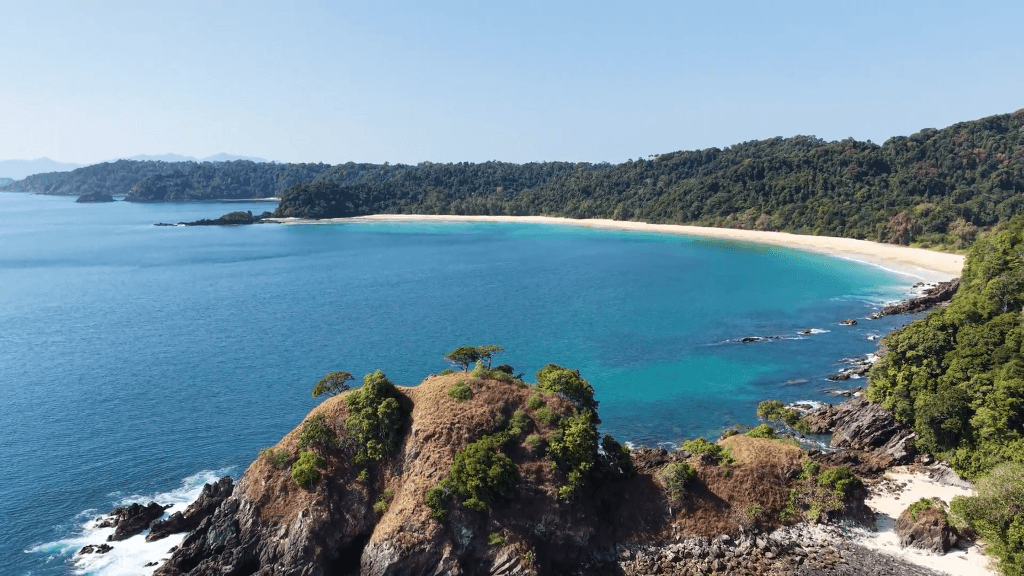
The 800-island Myeik Archipelago sits in the far south of Myanmar, separated from the Thai border by a stretch of open Andaman Sea. Because access has historically been restricted, the archipelago has escaped the kind of development that has transformed much of coastal Southeast Asia.
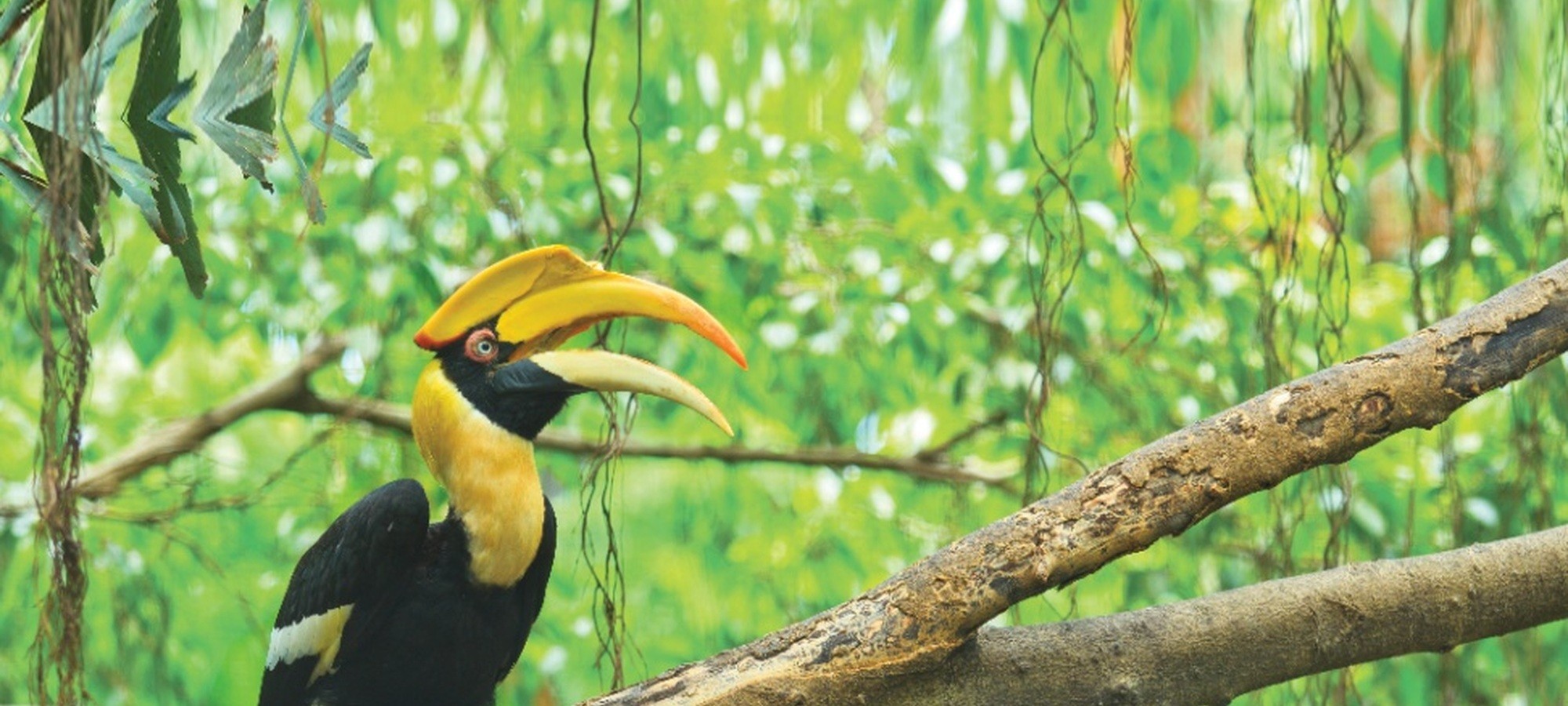
The result is an ecosystem that feels genuinely untouched. Hornbills, sea eagles, monitor lizards, and dugongs share these waters and forests with the flying foxes — making Wa Ale one of the richest wildlife destinations in the region for guests who want genuine encounters rather than managed ones.
Conservation at Wa Ale
Wa Ale sits within Lampi Marine National Park, Myanmar's only marine national park. The resort operates in close partnership with the Lampi Foundation, supporting conservation and the welfare of the local Salon sea nomad community.
The flying fox colony on and around Wa Ale Island is protected. Guests observe from a respectful distance, and guides brief visitors on the importance of these animals to the forest ecosystem before each excursion.
Plan Your Visit
The flying fox excursion runs year-round, weather permitting. The best conditions fall between November and April, when the Andaman Sea is calm and the skies are clear.
Wa Ale Resort is open from November through to April. The resort accommodates guests in 14 private villas and a four-suite Beach House — all facing the ocean, all within earshot of the jungle that the flying foxes call home.
To enquire about availability or reserve your stay, contact the Wa Ale team.
Related Blog













Related Blog
Related Blog
Related Blog